
Maryse Point du Jour: The Haiti She Never Forgot
Adopted in France as a child, Maryse Point du Jour has never set foot in her home country again. Now 27, the communications consultant, artist and advocate for adoptees' rights has reconnected with her biological family in Haiti. Between painful memories, academic achievements and her fight for justice, she holds on to a dream: to reunite with her loved ones and, one day, return to live in the country where she was born.
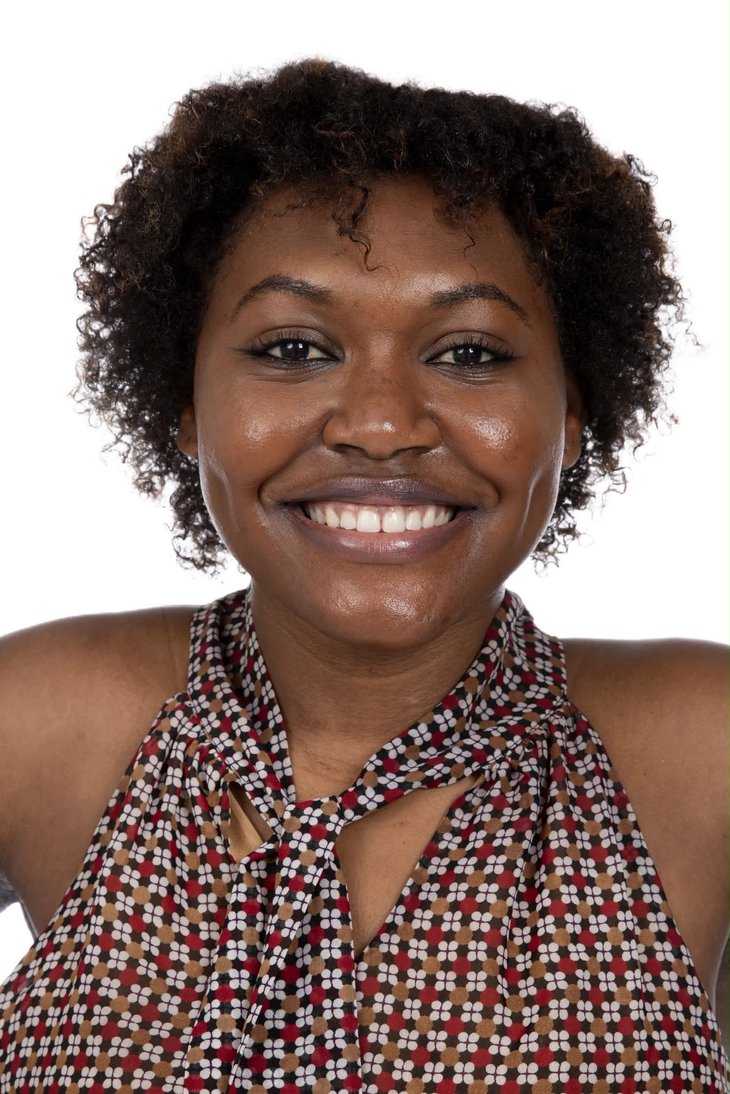

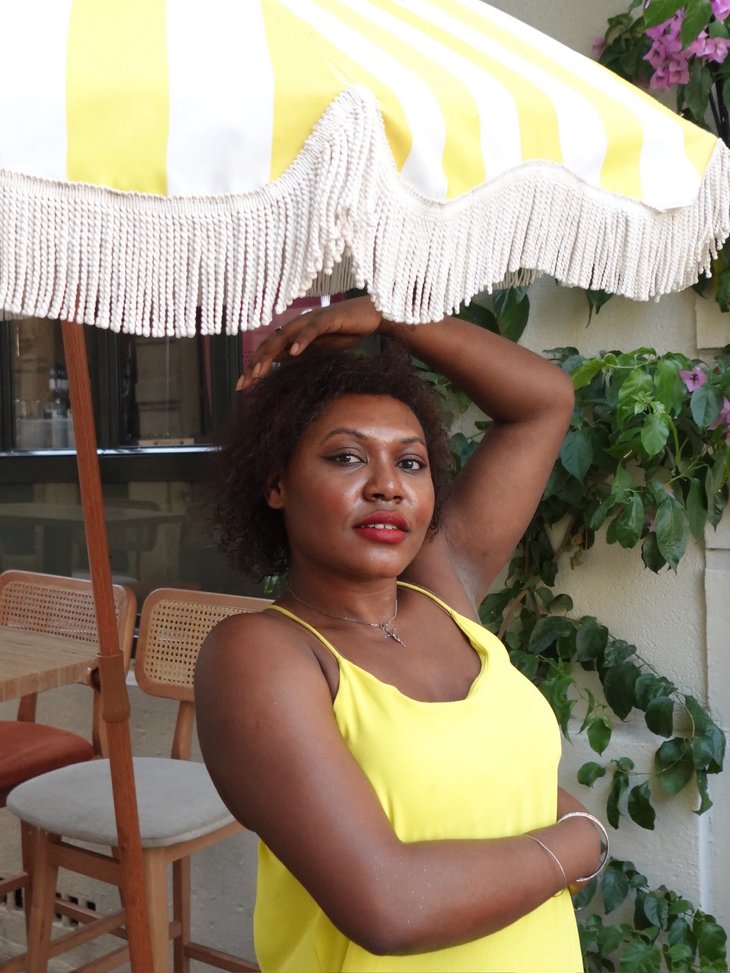
“Haiti is within me, and I am Haiti.” The words may come as a surprise when one learns that Marie has not returned to Haiti since her adoption. Yet for this 27-year-old woman, who now lives in Paris, her homeland holds an enormous place in her heart. She speaks of it with affection, sometimes with anger at injustice, but above all with one conviction: her story with Haiti is far from over.
Before her adoption, Marie Auliac was known as Maryse Point du Jour. She describes herself in three words: “Resilience, Love and Light.” She chose them after a difficult personal journey, marked by a family separation whose full circumstances she is still trying to understand.
A childhood marked by separation
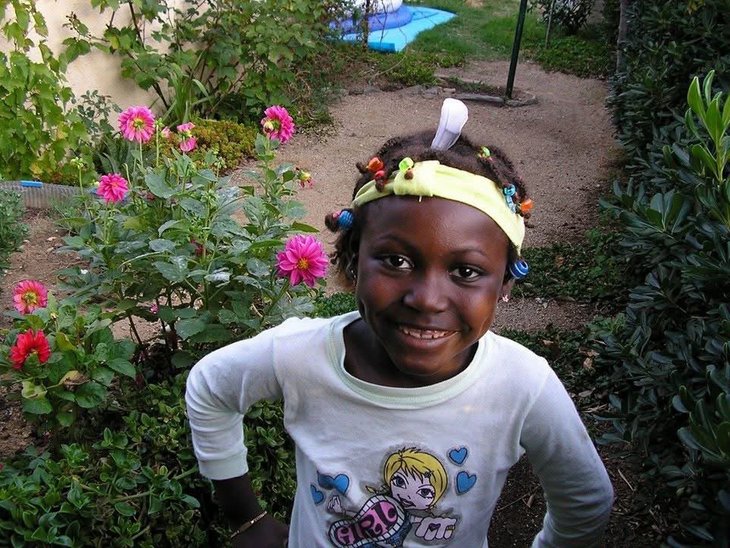
Marie says she was placed in an orphanage in Haiti before being adopted by a French family. According to her account, her biological parents had not consented to the adoption. That separation remains one of the deepest wounds of her life.
In France, her childhood was not what she had hoped for. She describes violence within her adoptive family environment, humiliation and experiences of racism. Today, she speaks openly about those painful years. “I went through fire, but I survived,” she writes in her personal account.
To cope, she turned to the things she loved: music, dance and writing. Her bedroom and the garden became places where she could feel free. Through it all, she never stopped thinking about her biological parents, especially her mother, of whom she still has vivid memories. “Like many little girls, I always wanted to look like my mother.” She remembers their closeness, particularly the moments when her mother would take care of her hair. Simple gestures that the passing years have never erased.
Degrees, a career and a different view of success
The difficulties Marie faced during childhood did not stop her from pursuing her education. She earned her brevet, the French secondary school certificate, followed by her baccalaureate and a BTS vocational diploma, before continuing her studies at master's level. She has also earned several additional certifications.
Today, she works as a consultant in communications and brand management. Her academic journey reflects considerable determination. But Marie is quick to point out that qualifications never tell the whole story of a person. “My results do not prove or reflect everything I am capable of. My worth is not measured by grades.”
She believes the French education system should do more to recognise the diversity of students' backgrounds and personal circumstances. Alongside her professional career, Marie continues to pursue her artistic interests. A poet, singer and dancer, she also performs under the artistic name “Artiste de Lumière.”
From classical dance to hip-hop, salsa and reggaeton, she has explored several disciplines. Artistic expression allows her to share parts of her story that she cannot always put into words.
Reconnecting with family across the distance
For years, Marie imagined the day she might find her family again. That dream has now begun to take shape. She has re-established contact with her biological family in Haiti and speaks regularly with her relatives, particularly her brothers and younger sister.
They have yet to meet in person, but their first conversations already mean a great deal to her. One of her younger brothers told her “I love you” almost spontaneously. Her little sister has also expressed her affection. Those words deeply moved Marie.
Marie is getting to know a family that continued living without her, brothers and a sister who grew up far away, but with whom she now hopes to share her life. She also speaks of her parents with great love. In her relatives, she recognises familiar features, smiles and expressions that remind her where she comes from. The distance remains difficult. She hopes to meet her family face to face soon and finally experience the moments she has imagined since childhood.
Seeking recognition for injustices linked to adoption
Marie does not want her story to remain a purely personal matter. She takes a close interest in irregular international adoptions and participates in awareness-raising initiatives within the Haitian diaspora in France.
She mentions the collectives Wozonou and Ayiti ou d’ailleurs among the groups involved in these issues. Her fight concerns the right to truth, access to one's origins, recognition of harm and reparations for people affected by illegal or unlawful adoptions.
She wants responsibility to be established wherever irregularities are proven, and those affected to receive answers about the circumstances of their family separation. For Marie, finding one's parents is not always enough. It is also important to understand how and why the separation happened.
Marie insists that her actions are not driven by hatred. She wants adoptees' experiences to be taken seriously and biological families to have an opportunity to make their voices heard. She also calls on the Haitian diaspora to learn more about these issues and support efforts to establish truth and justice.
Haiti, a love that distance cannot erase
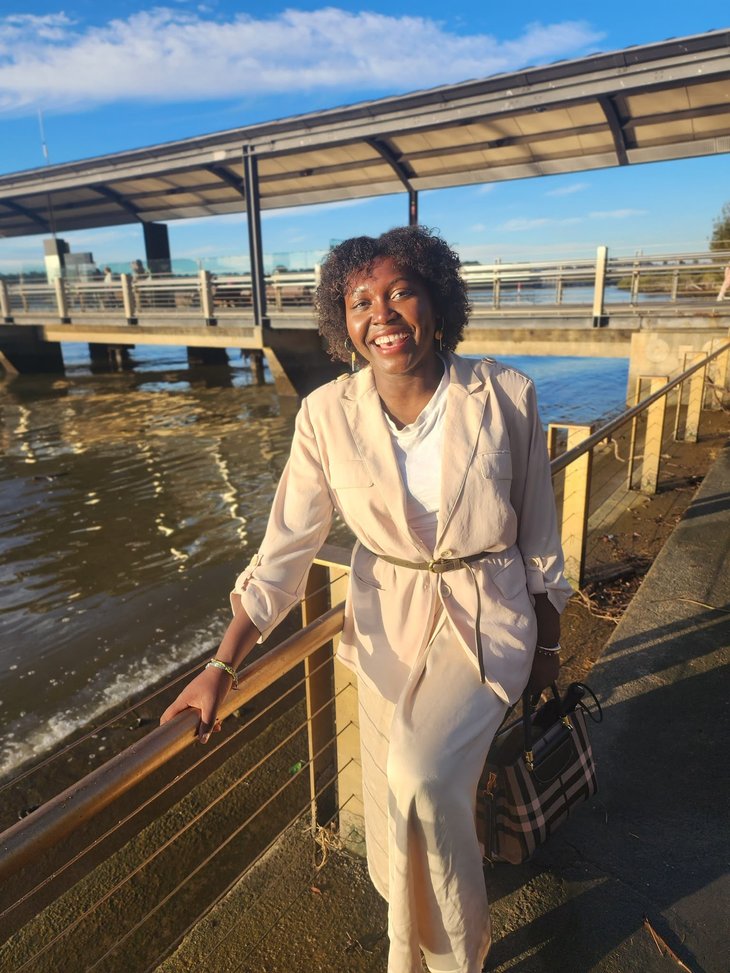
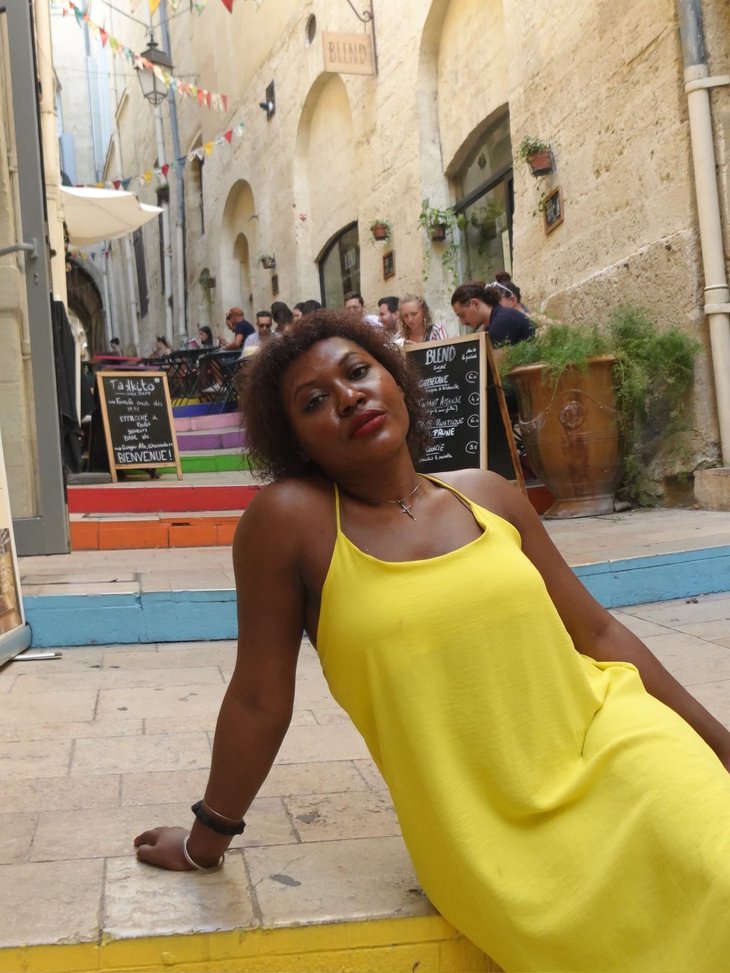
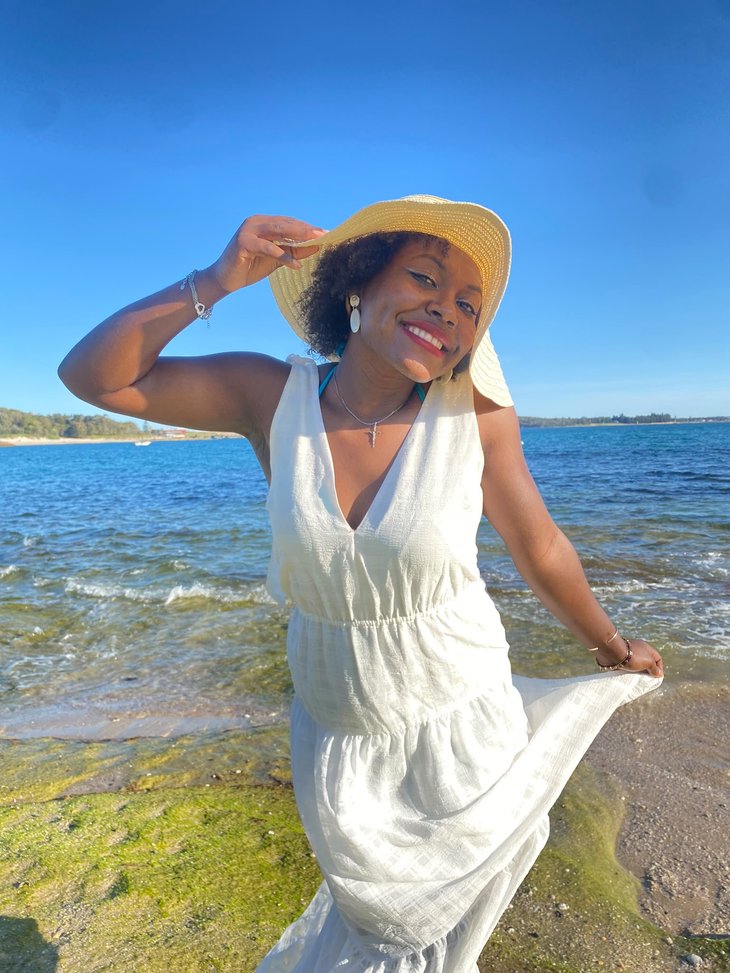
Marie has never returned to Haiti since her adoption. Yet she is well aware of the difficulties the country is facing and follows developments with concern. Insecurity, political crises and the living conditions of the population weigh heavily on her mind. Still, she refuses to see Haiti only through its problems.
She describes her country as a land of history, culture and talent. She also speaks proudly of belonging to the Haitian people. “Some Haitians reject their country. I don't! Haiti is within me, and I am Haiti.”
Those words capture her relationship with Haiti. Distance has not weakened her sense of belonging. Marie dreams of returning, first to reunite with her family, but also to build a life in the country where she was born. She is even considering settling there permanently.
With her background in communications, professional skills and involvement in community organisations, she hopes to contribute to projects that could support Haiti's development. She makes no secret of her desire to see the country change. Despite the difficulties it faces today, she continues to believe in Haitians' ability to build a better future.
The dream of returning home
At 27, Marie has already come a long way. She has pursued her education, built a career and developed her artistic activities. She has also reconnected with her biological family, something she had hoped for over many years. But several questions remain unanswered. Her adoption story, the circumstances of her separation and the wounds of childhood continue to shape her thinking and her commitment. She now wants to go further, defend adoptees' rights and seek recognition of the injustices they report. “I swore that not a single drop of my suffering would go to waste.”
Marie hopes her experience can help others. That adoptees will be able to access their own histories. That biological families will be heard. And that past mistakes or abuses, where proven, will not go unanswered. For now, she continues speaking with her family, preparing her projects and imagining the day she will return to Haiti.
A country she left as a child and where she now dreams of living again. And a family whose voices she has finally come to know, but whom she is still waiting to hold in her arms.